
Step 1
Define the request
Product, quantity, destination, timing and target economics are submitted.
How It Works
RetailKid turns a product request into a sequence of clear decisions: what to source, where to source it, whether the economics work, when to commit and how to deliver.

The six-step flow
The process is designed to reduce uncertainty before the next commitment is made.
Product & commercial goal
Credible routes
Product & parties
Cost, route, terms
Commitment point
Shipment & records
Transaction journey
The sequence below is illustrative rather than a guaranteed timeline. Actual timing depends on product availability, payment, destination, documentation and shipping method.
Product, quantity, destination, timing and target economics are submitted.

We compare credible sourcing channels, availability and current pricing.
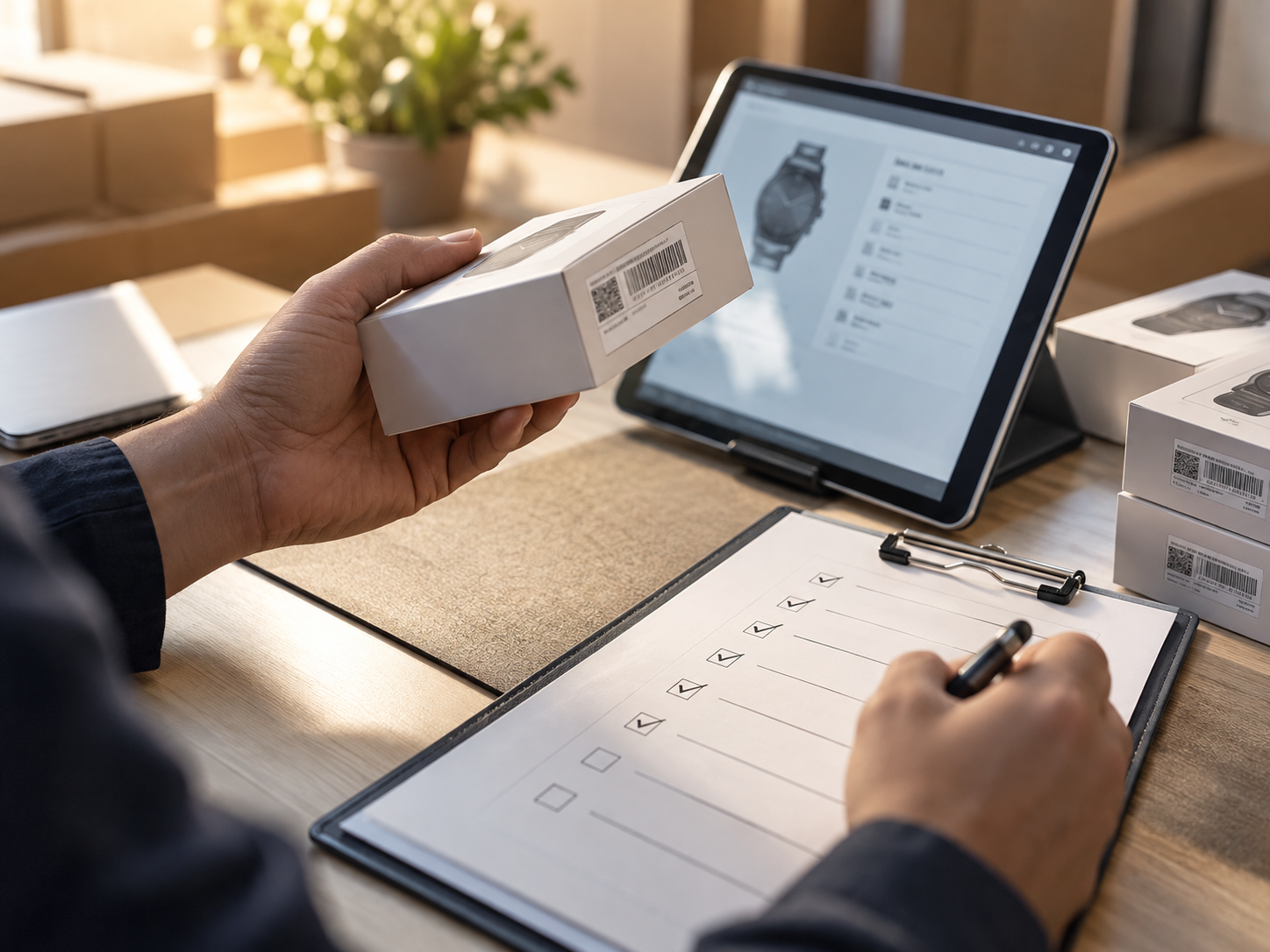
Product cost, route, shipment assumptions and commercial terms are brought together.

Procurement or supply execution starts only after the relevant terms are confirmed.

Goods move through the agreed route with relevant records retained where available.
What gets verified
Exact model, condition, quantity and any restrictions that may affect the route.
Who is buying, who is selling and who is responsible for each commercial role.
Price, taxes, shipping assumptions, payment trigger and cancellation conditions.
Origin, destination, shipment method and documentation appropriate to the transaction.

A good process also knows when to stop
If the economics no longer work, the inventory cannot be verified, the parties cannot agree on terms or a compliance issue remains unresolved, stopping is often the correct commercial decision.
Send the exact product and the commercial facts you already know. We will show you the next practical step.